ANIVELLE Academy
How to choose reference photos for pet artwork
A practical guide to choosing clear pet photos that preserve recognizable features without overwhelming an image-generation request.
Updated
Direct answer
Direct answer
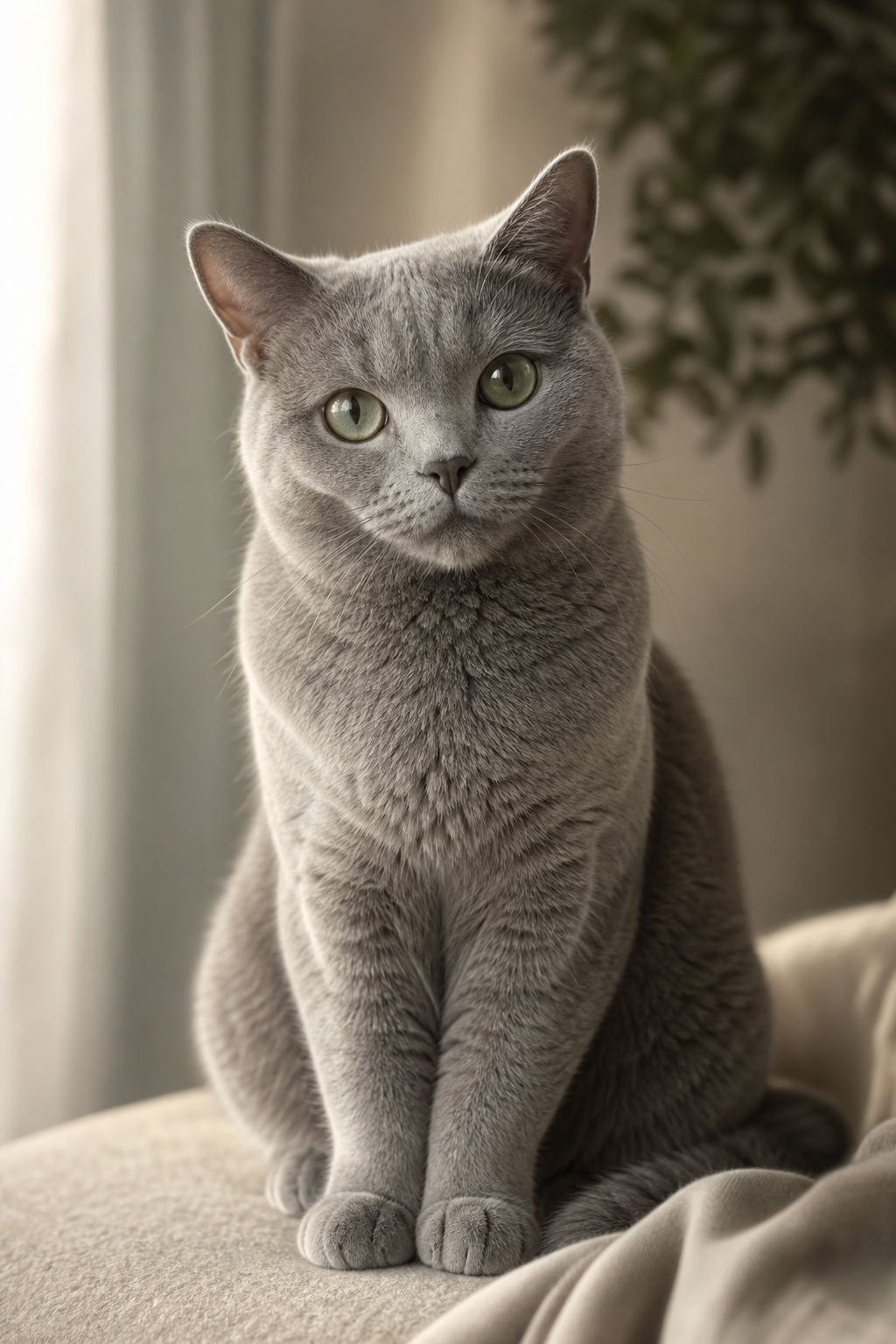
Choose sharp, well-lit photographs that show the pet's face and identity-defining details clearly. A small set of complementary views is more useful than many distant, blurry, obstructed, or heavily filtered images.
Start with the clearest identity view
The first useful photograph should make the pet easy to identify without guesswork. The eyes, muzzle, ears, coat colour, and major markings should be visible. Natural daylight or even indoor light is usually more informative than dramatic shadows or coloured filters.
Add complementary evidence, not repetition
Additional photographs are most useful when they reveal something the first image does not. A slight side view can explain ear shape and muzzle length; a full-body view can show scale, coat length, tail, and leg markings.
- Use recent photographs that represent the pet's current appearance.
- Avoid screenshots, collages, and images containing unrelated pets when possible.
- Do not rely on accessories or clothing to identify the pet unless they are intentionally part of the requested creation.
- For multiple pets, keep each pet's photographs assigned to the correct participant.
What cannot be recovered from a reference
A model cannot reliably preserve a feature that is hidden in every source image. If the ears are always cropped, the coat pattern is obscured, or the face occupies only a small part of the frame, the result has less trustworthy evidence. Adding a clear source image is more effective than adding a longer description of a detail the camera never shows.